How We Hold

Integrated Enterprise Planning

Connect strategy, finance, workforce, operations, technology, and functions through one synchronized enterprise planning rhythm.

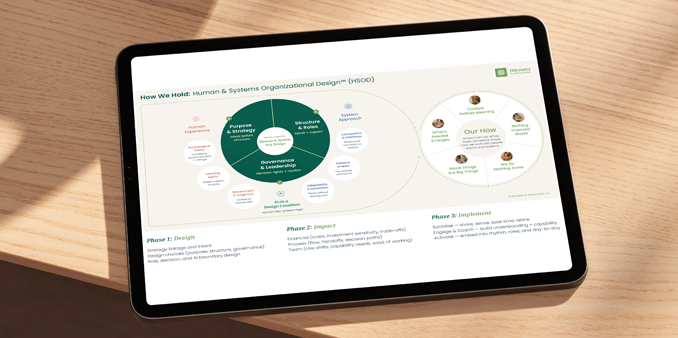
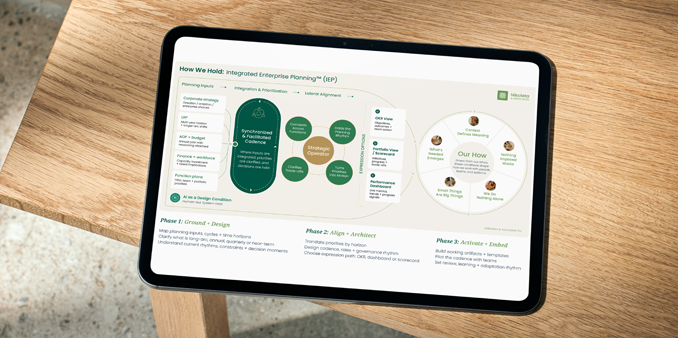
How We Hold Integrated Enterprise Planning model showing planning inputs, synchronized cadence, strategic operator, expression options, Our How ethos, and three phases

One enterprise conversation, across horizons

Integrated Enterprise Planning does not become real because plans are collected into one system. It becomes real when strategy, finance, workforce, operations, technology, commercial, and functional leaders can interpret the same context, make connected choices, and adjust commitments together.

Across the market, a familiar pattern is emerging: executive alignment is often stronger than horizontal and operational alignment. Scenario planning and technology can strengthen planning, but the greater opportunity is deciding what must connect, what can remain distinct, and when enterprise choices need to be made.

We hold Integrated Enterprise Planning as a connected system of decisions, dependencies, resources, and timing.

It starts by making visible how planning processes and horizons interact — where assumptions differ, dependencies surface too late, ownership is unclear, or planning effort does not materially improve the decision.

Ground + Design maps planning inputs, cycles and time horizons, clarifying what sits across long-arc, annual, quarterly and near-term planning. It makes current rhythms, constraints, dependencies and key decision moments visible.

Align + Architect translates priorities by horizon and establishes the cadence, roles and governance rhythm needed to connect them. It also defines how priorities will be expressed — through OKRs, dashboards, scorecards or other planning views — so strategy, finance, capacity, talent, technology and customer considerations can connect without becoming one oversized process.

Activate + Embed builds the working artifacts and templates, pilots the cadence with teams, and establishes a regular rhythm for review, learning and adaptation.

The focus is on keeping assumptions current, dependencies visible, resources connected to priorities, and planning useful to the decisions being made.

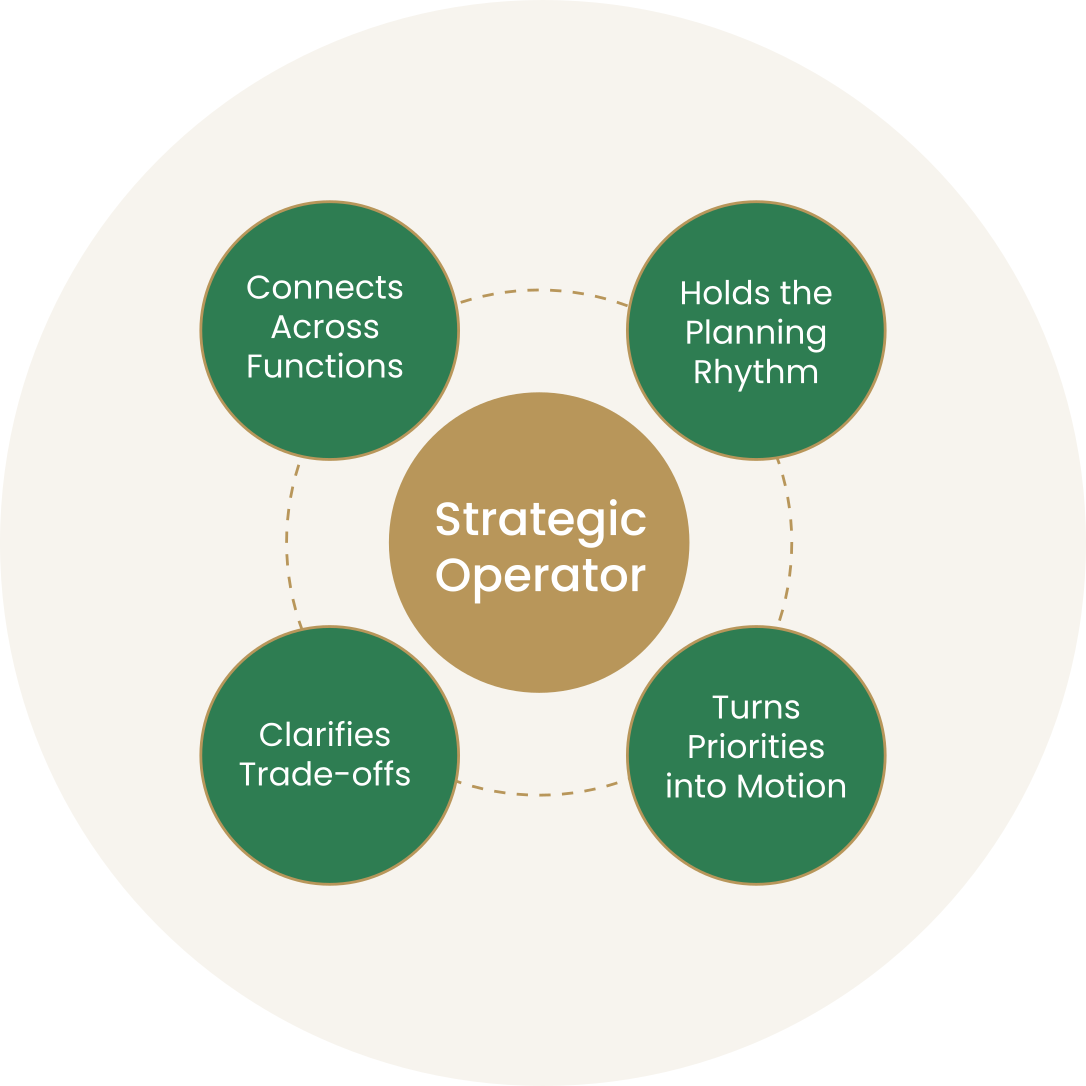
The Strategic Operator provides connective capacity across the model. The role does not own every plan; it holds the planning architecture across boundaries, connects horizons and decision moments, surfaces conflicting assumptions, and prepares the choices that require enterprise alignment.

IEP is not an FP&A redesign, budgeting exercise, IBP implementation or planning-platform deployment. Those disciplines retain their technical ownership.

Integration means plans can remain distinct while the decisions, dependencies and rhythms that connect them become visible and enterprise-wide.

Model context

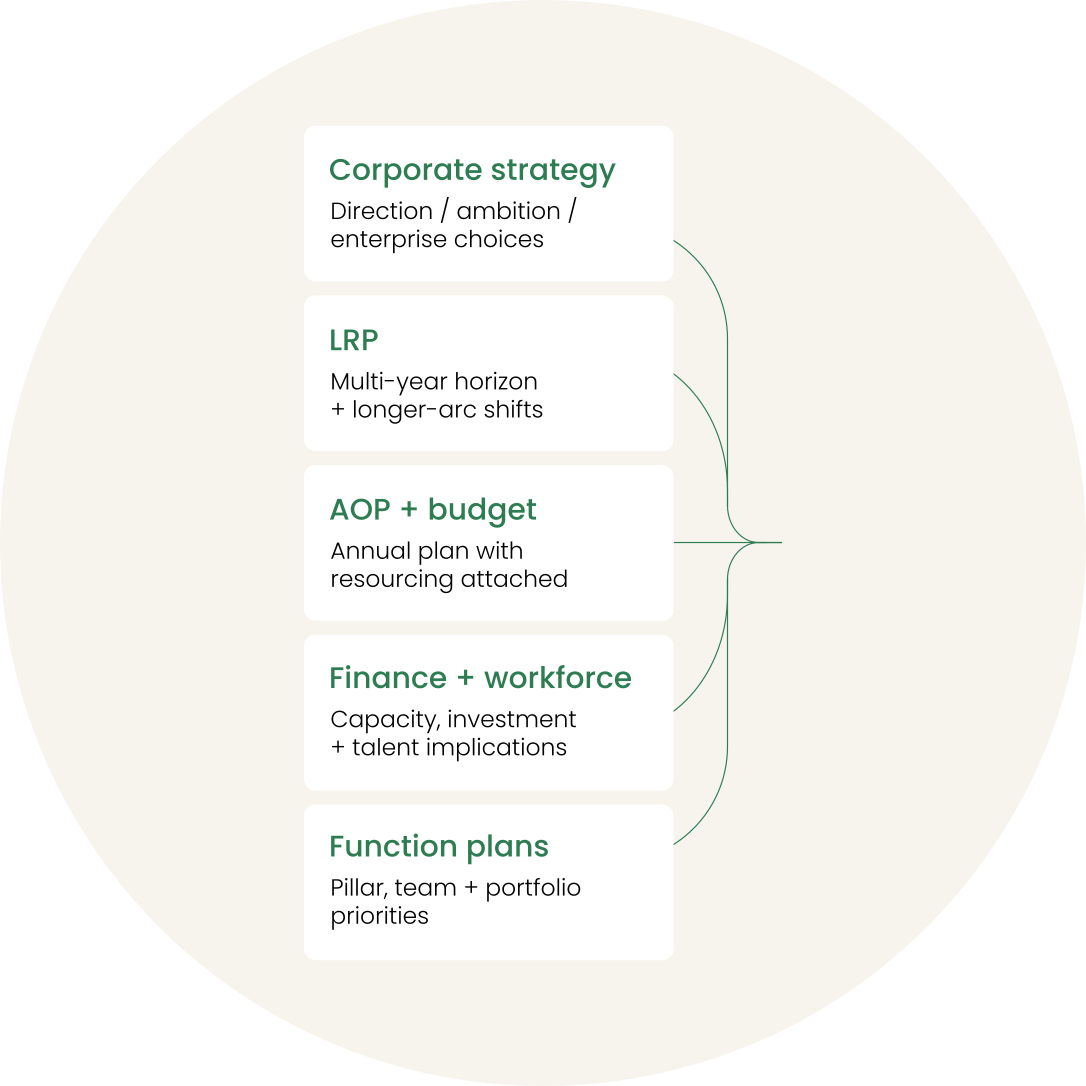
Planning Inputs

Map the inputs, cycles, and time horizons that shape enterprise choices

Planning inputs bring corporate strategy, long-range planning, AOP and budget, finance, workforce, and function plans into view together. The work is not to collapse them into one process; it is to see how assumptions, timing, and choices interact.

This makes current rhythms, constraints, dependencies, and key decision moments visible so leaders can decide what must connect, what can remain distinct, and when enterprise choices need to be made.

Model context

Synchronized Cadence

Create one planning rhythm without one oversized process

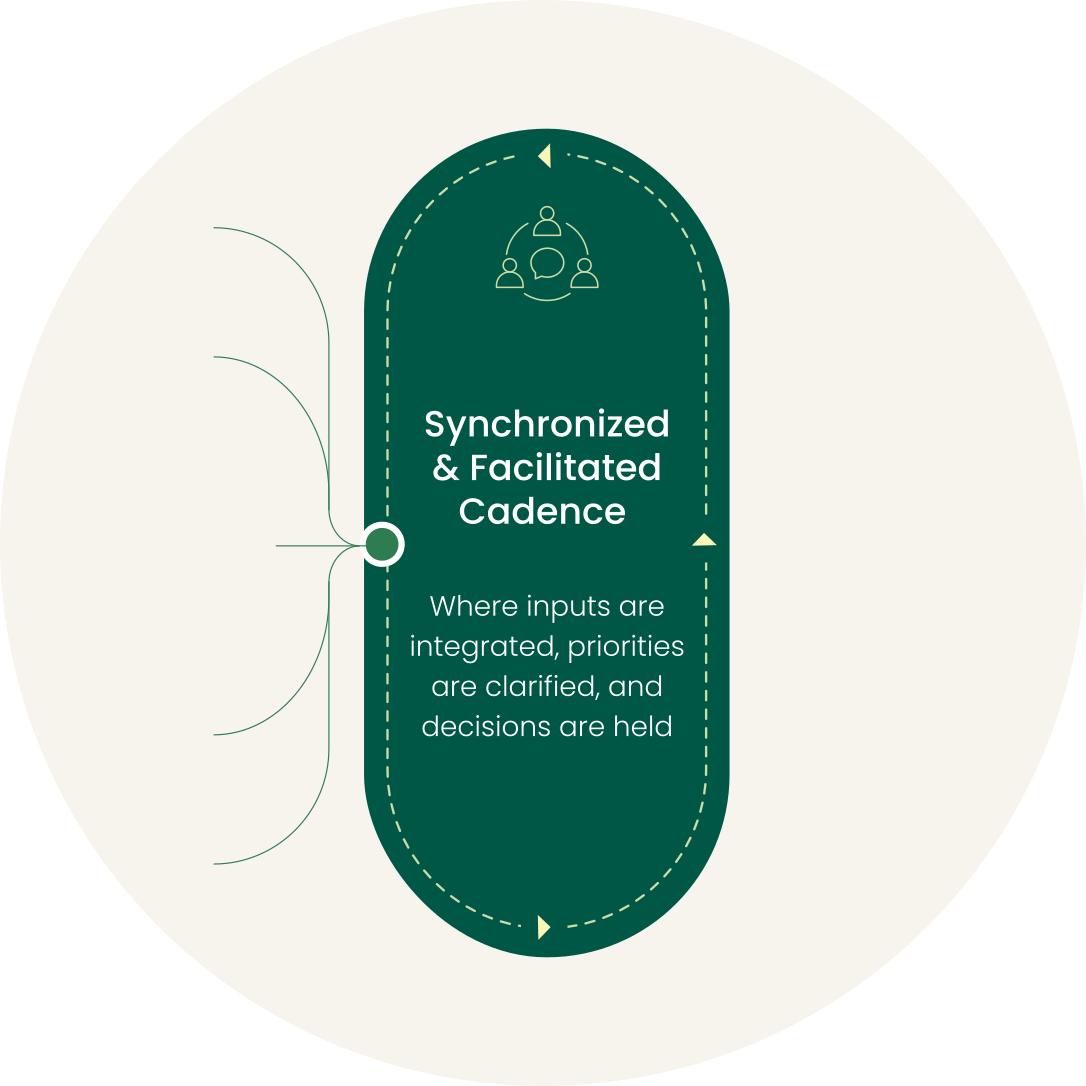
Synchronized cadence is where inputs are integrated, priorities are clarified, and decisions are held. It gives leaders a shared rhythm for surfacing assumptions, naming trade-offs, and keeping resources connected to priorities.

Cadence gives planning enough structure to stay coherent while allowing functions, markets, and teams to retain the technical ownership they need.

Model context

Strategic Operator

Hold the planning architecture across boundaries

The Strategic Operator provides connective capacity across the model. The role does not own every plan; it holds the planning architecture across horizons, connects decision moments, and prepares the choices that require enterprise alignment.

It keeps assumptions current, dependencies visible, and planning useful to the decisions being made.

Model context

Expression Options

Choose the planning views that make decisions visible

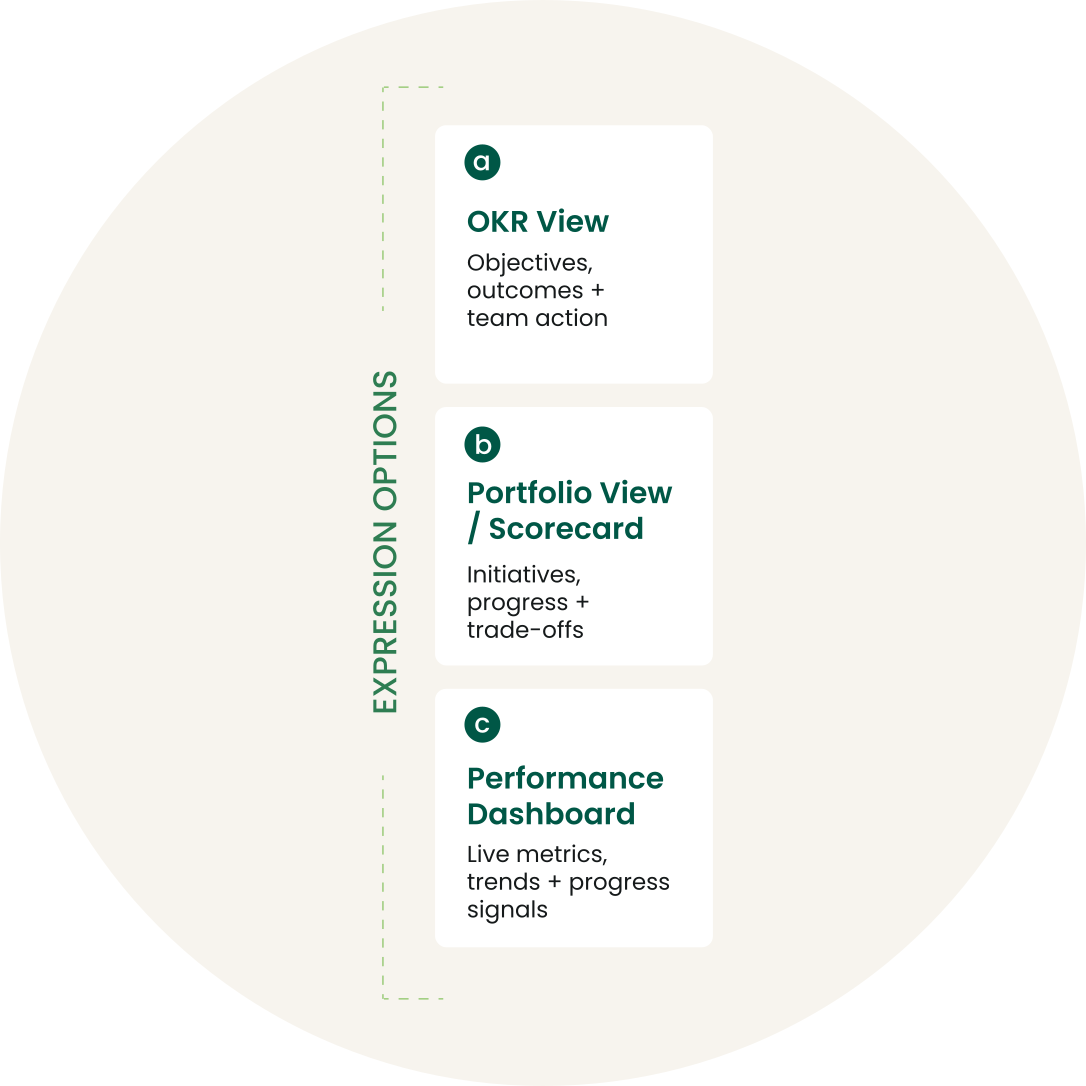
IEP can be expressed through OKRs, portfolio views, scorecards, performance dashboards, or other planning artifacts. The point is not the tool; it is whether the view helps leaders see objectives, outcomes, initiatives, progress, trade-offs, metrics, and decision signals clearly.

Good expression options make priorities actionable without turning planning into a single oversized process.

From our ethos, we help create the conditions for a way of working that carries across all our frameworks.

How we work

Our How

Ethos 1

Context Defines Meaning

Context shapes the why, who, and what of a situation, and how it is experienced by each person.

Phase One

Ground + Design

Map planning inputs, cycles, and time horizons

Ground + Design maps planning inputs, cycles, and time horizons, clarifying what sits across long-arc, annual, quarterly, and near-term planning.

It makes current rhythms, constraints, dependencies, and key decision moments visible so the enterprise can see where planning needs to connect.

Phase Two

Align + Architect

Translate priorities by horizon and design the cadence

Align + Architect translates priorities by horizon and establishes the cadence, roles, and governance rhythm needed to connect them.

It also defines how priorities will be expressed through OKRs, dashboards, scorecards, or other planning views so strategy, finance, capacity, talent, technology, and customer considerations can connect without becoming one oversized process.

Phase Three

Activate + Embed

Build working artifacts and establish the review rhythm

Activate + Embed builds the working artifacts and templates, pilots the cadence with teams, and establishes a regular rhythm for review, learning, and adaptation.

The focus is on keeping assumptions current, dependencies visible, resources connected to priorities, and planning useful to the decisions being made.